The Toyota Mobility Foundation’s Sustainable Cities Challenge in Varanasi is a three-year Challenge that brings together innovators, the City of Varanasi, and partners to create solutions that make crowded areas of Varanasi's old city of Kashi safer and more accessible for all.
Across multiple challenge rounds, innovators have demonstrated their solutions through collaborative development, resulting in three winners who will share $1.5 million in implementation funding to scale their solutions across the city.
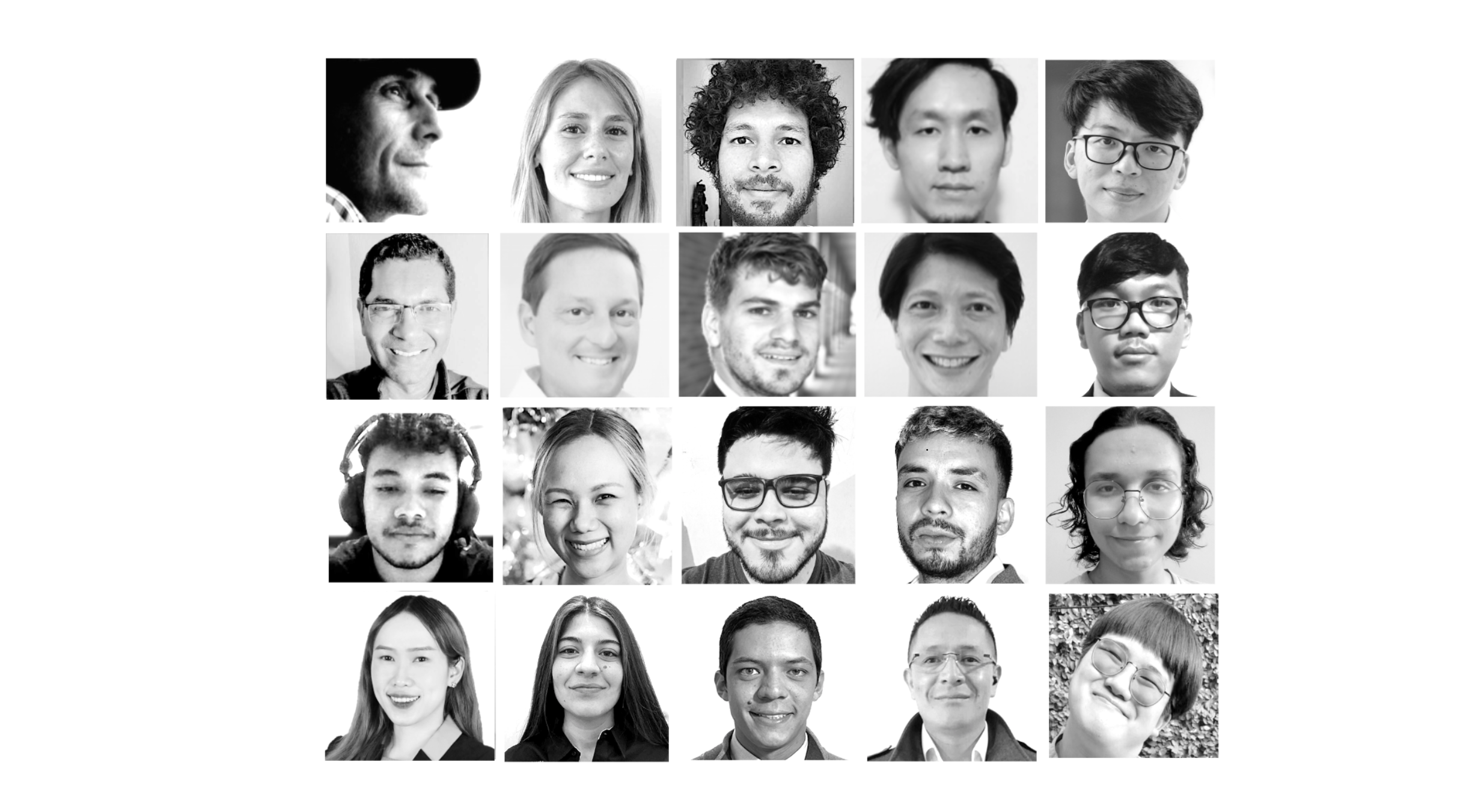
CityFlow, developed by CITYDATA.AI in partnership with Nippon Koei, uses big data, computer vision, and generative AI to analyze and manage crowd movement in real time, helping authorities identify and respond to congestion hotspots.
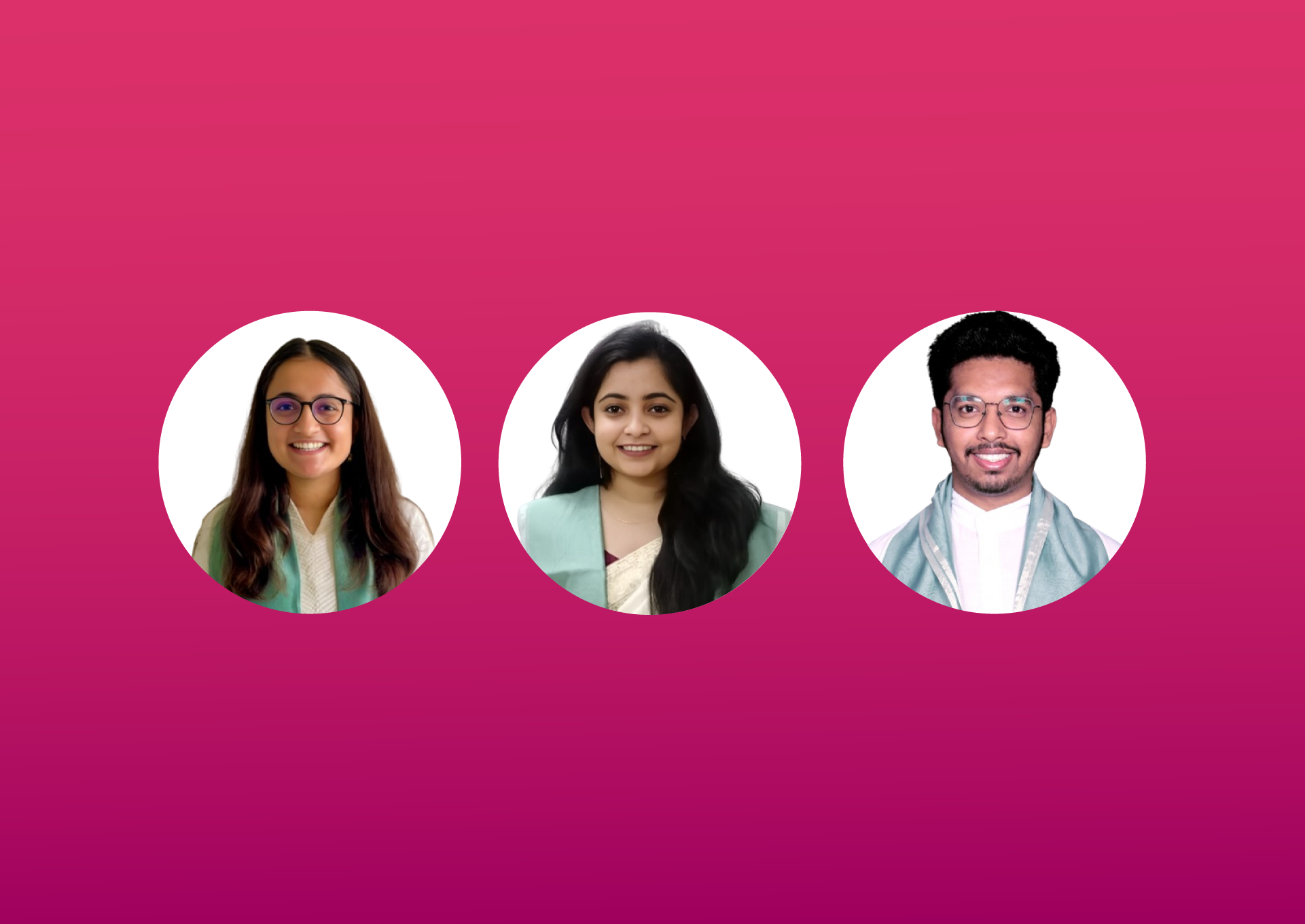
Janjatra, developed by The Urbanizer, combines color-coded wayfinding, dynamic digital signage, and tactical urban interventions to improve navigation and ease pressure on heavily used pedestrian routes.
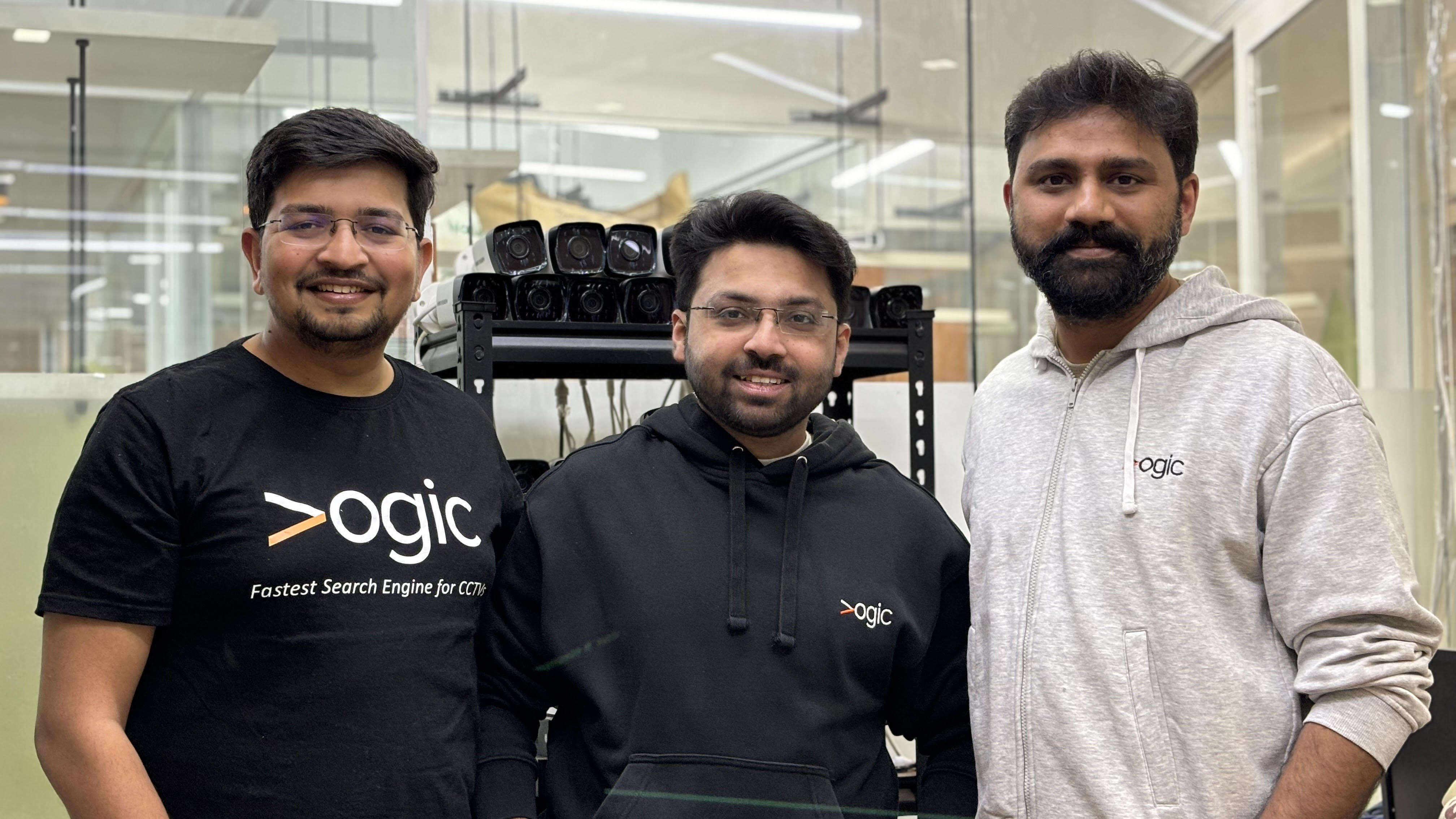
Behtarway, developed by VOGIC AI, is an AI-powered hyperlocal pedestrian navigation platform.
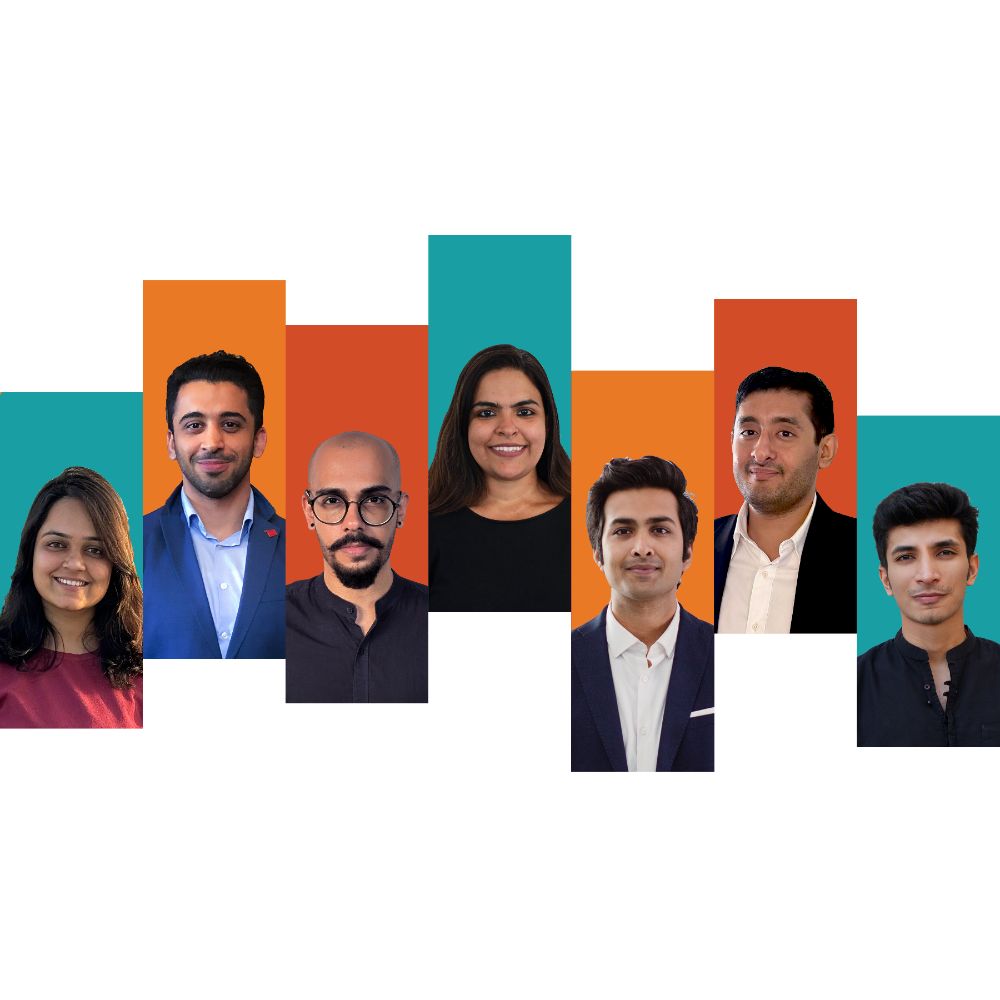
Nayichaal, developed by Prameya Consulting, focuses on improving accessibility and navigability for vulnerable populations in the old city of Kashi.
Sustainable Cities Challenge Varanasi is now open for entries!

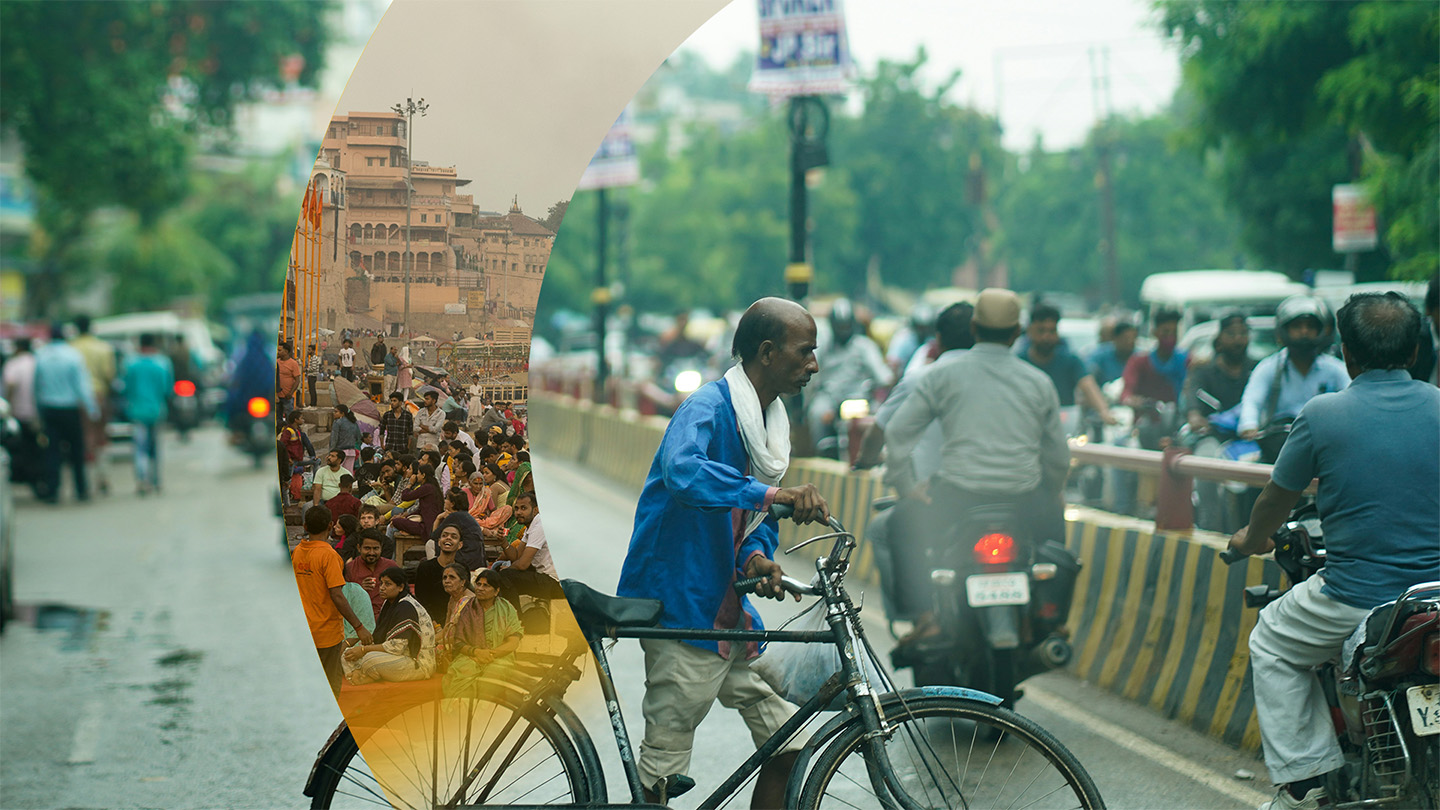
Create innovative, data-driven solutions that make crowded areas of Varanasi's old city of Kashi safer and more accessible for religious tourists, local residents and vulnerable populations (such as elderly people and people with disabilities).
Successful solutions might include:
We are supporting innovators to develop solutions by providing:
All funding must be used to develop, test, demonstrate, and implement solutions in the City of Varanasi.
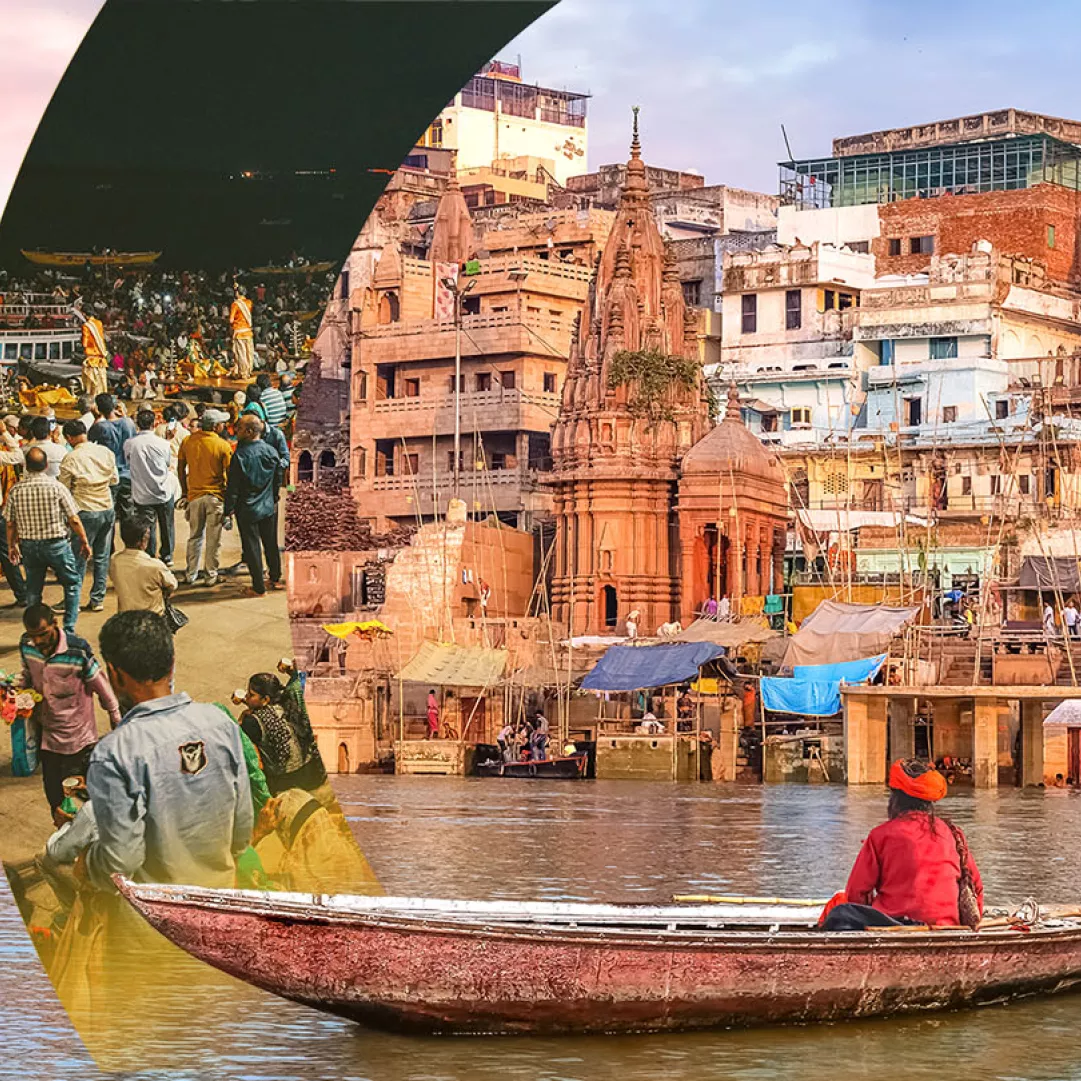
The City of Varanasi is located in Northern India along the Ganges River. It is thought to be one of the oldest cities in the world and is an incredibly important pilgrimage site.
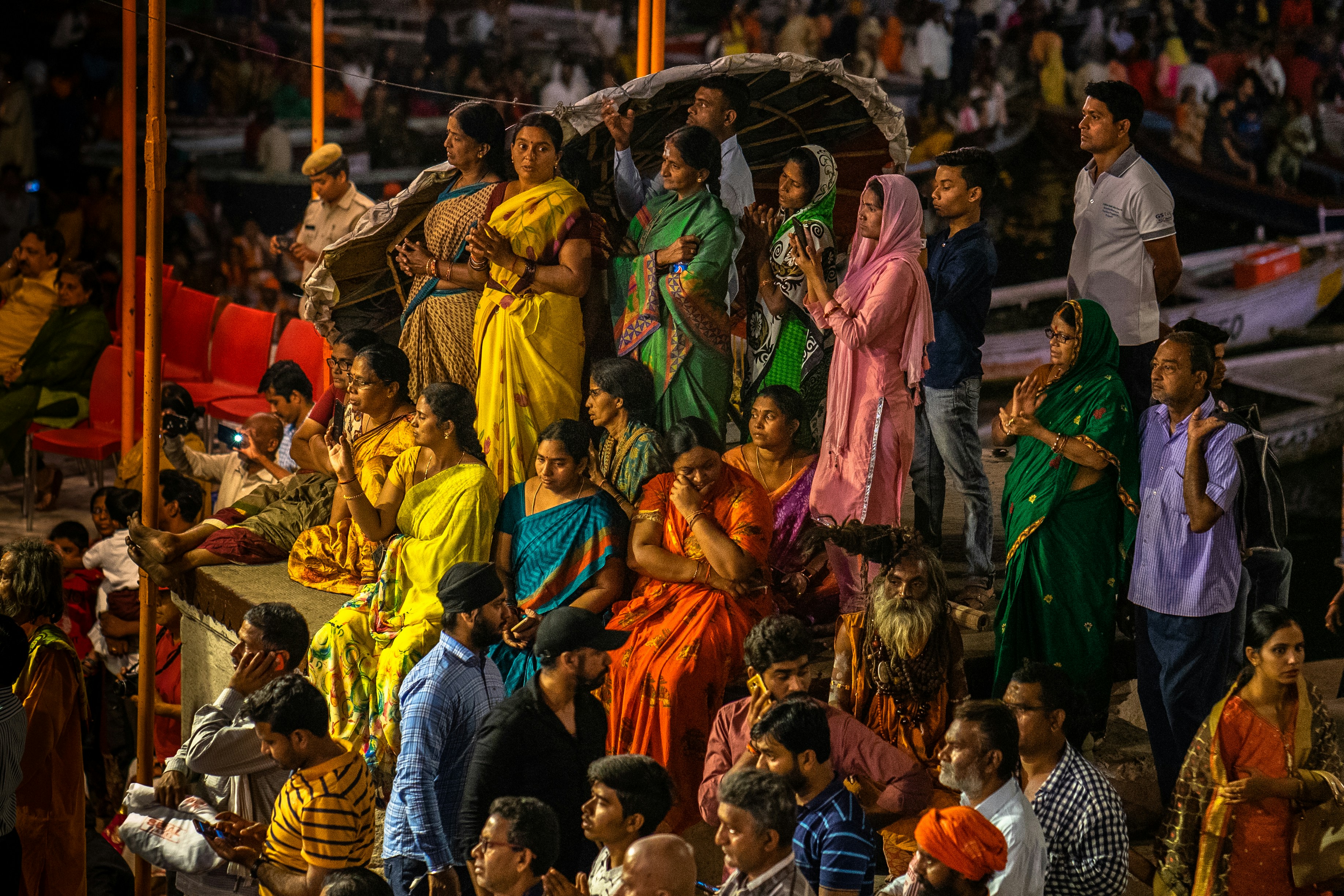
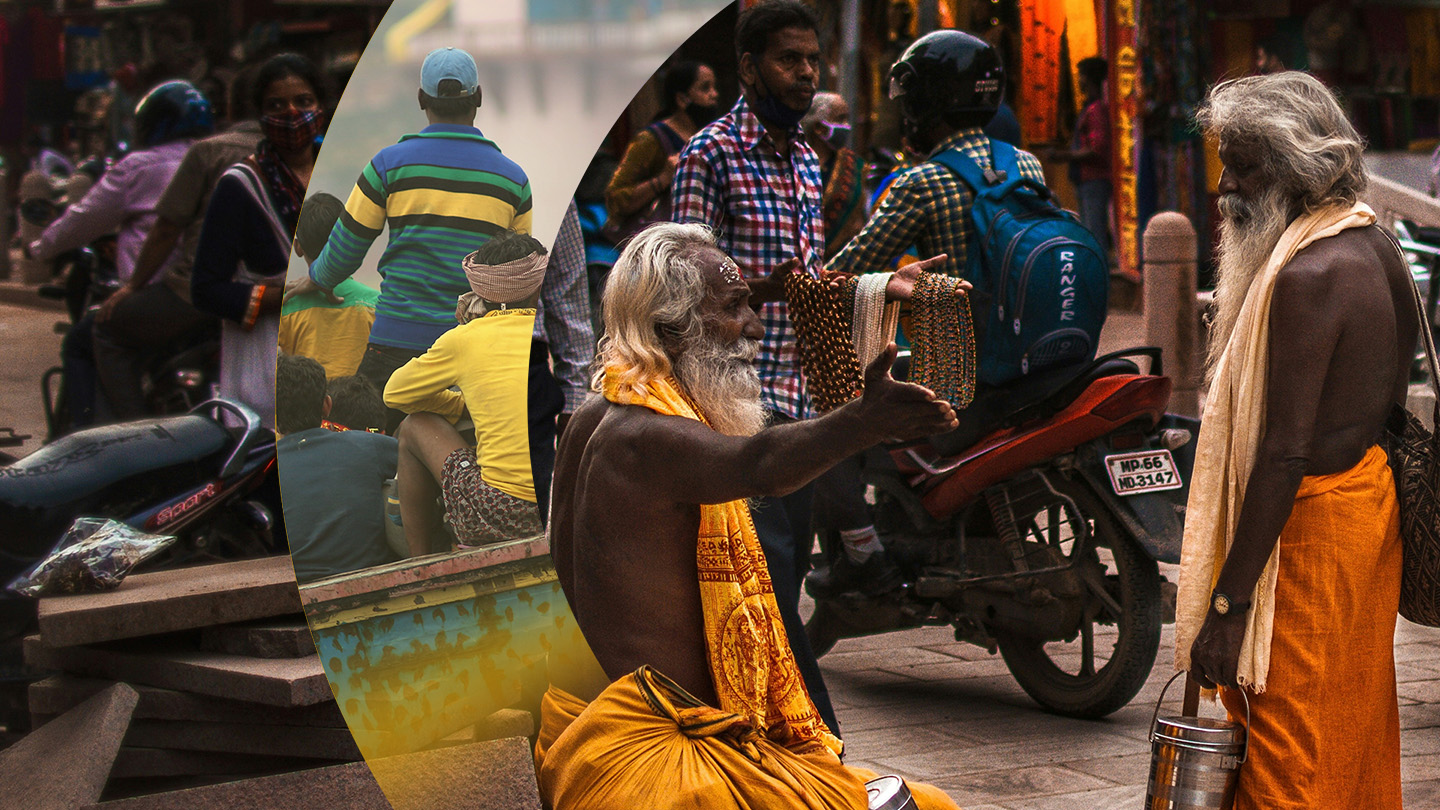
Large volumes of people visit Varanasi's old city (Kashi) every year for pilgrimage, end of life traditions, and other religious and cultural activities. In 2022, the annual floating population was estimated to be 35 times the local population.
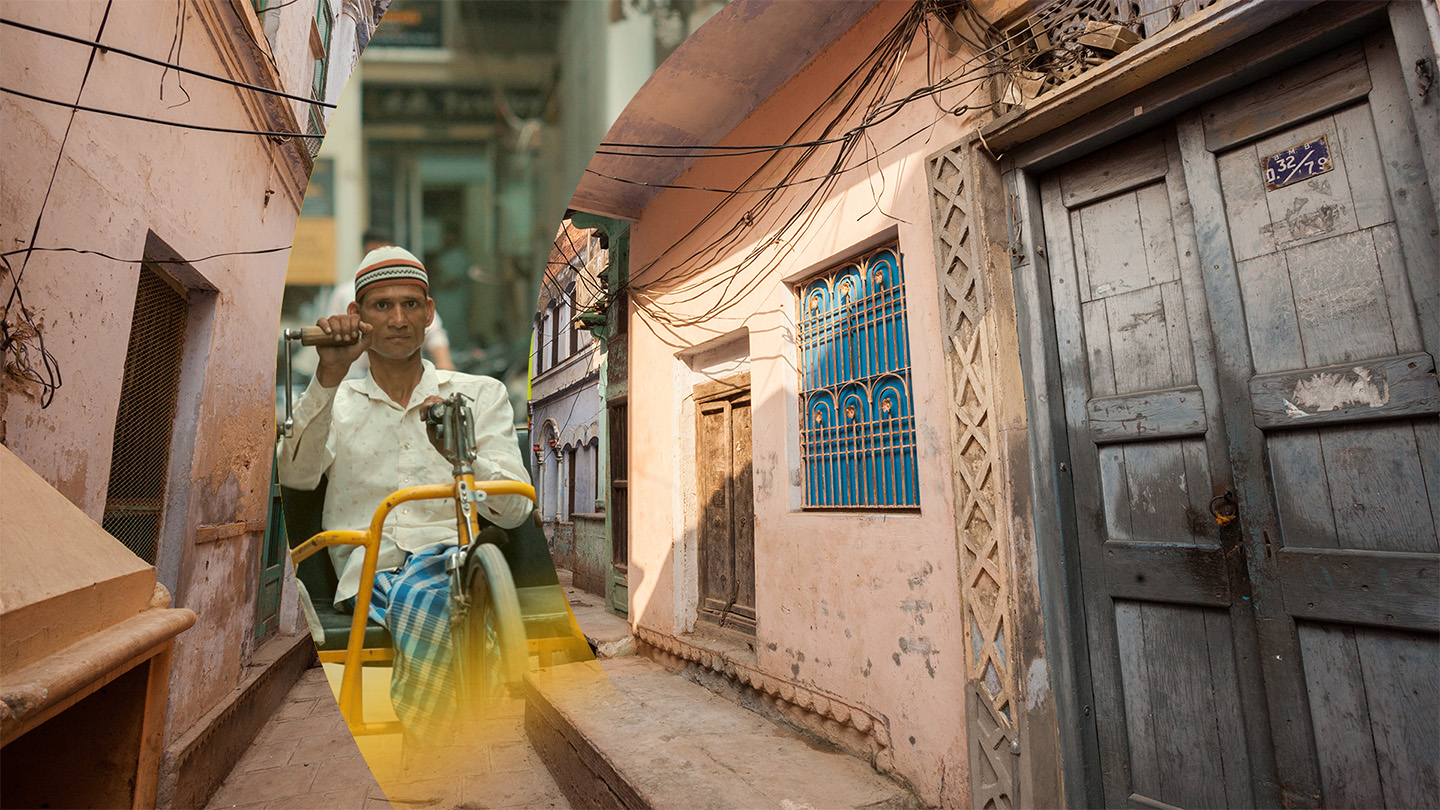
The old city comprises narrow, winding lanes, making it difficult to build infrastructure to accommodate the influx of people. A growing number of private vehicles are used to navigate these lanes, which contributes to a complex environment prone to crowding.
Varanasi seeks to attract pioneering solutions that will enable more effective crowd management, and in doing so position the city as a global success story.